
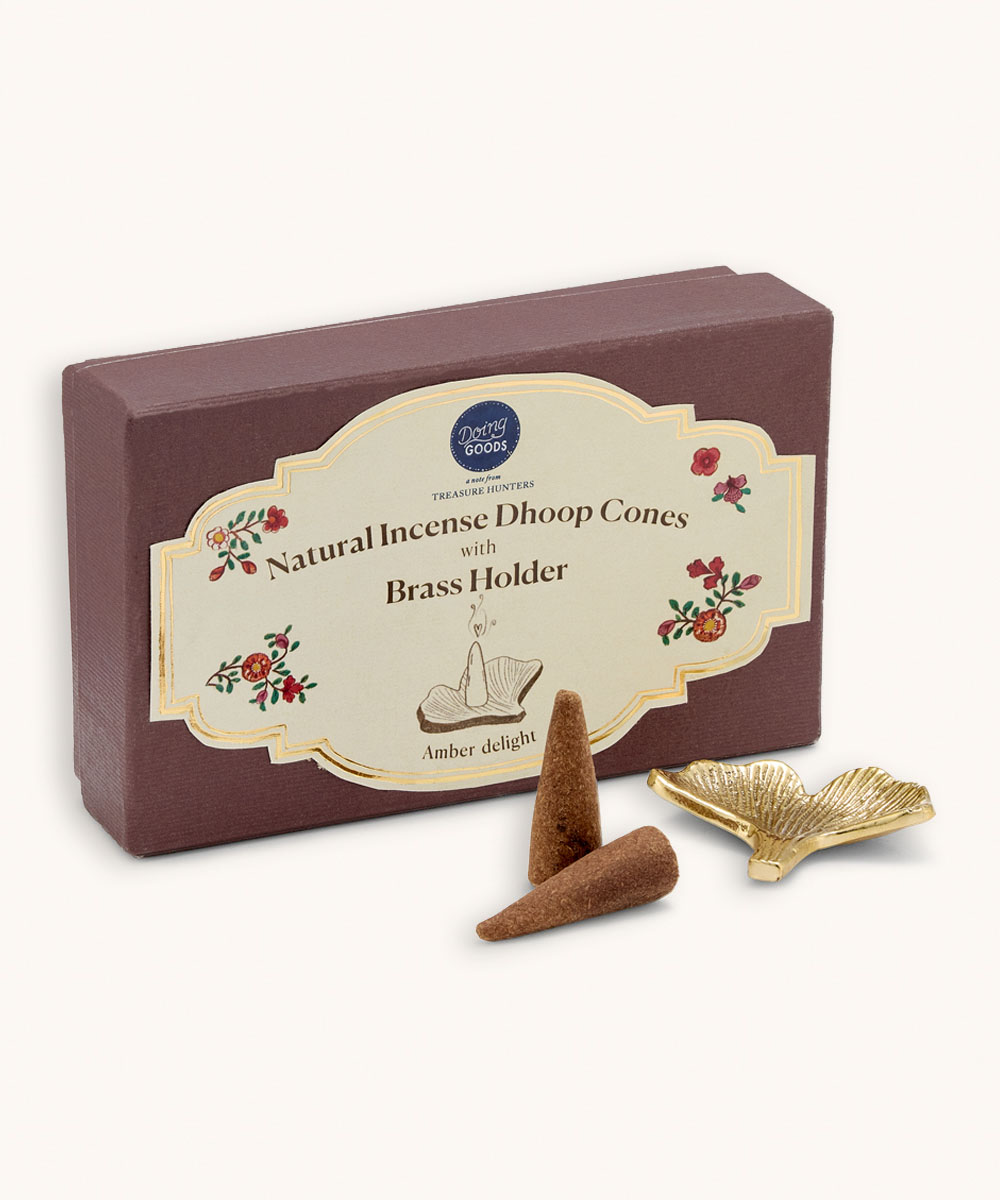
Incense Cones Giftset Amber
€25,-
Free shipping on orders over €99 in the EU*
The world's most lovable home accessories
All our products are handmade with love
Our new collection: 'Sari Sari' is out now!
Every day in India, thousands of flowers are left behind after temple rituals. Bright marigolds, roses, jasmine, once offered with intention, then swept into rivers as waste.
A little difficult to ignore, honestly.
That’s exactly what caught the attention of the founder of Help Us Green. Instead of letting these flowers disappear, they found a way to turn them into incense. Same flowers, completely new shape.
But that’s only the beginning.
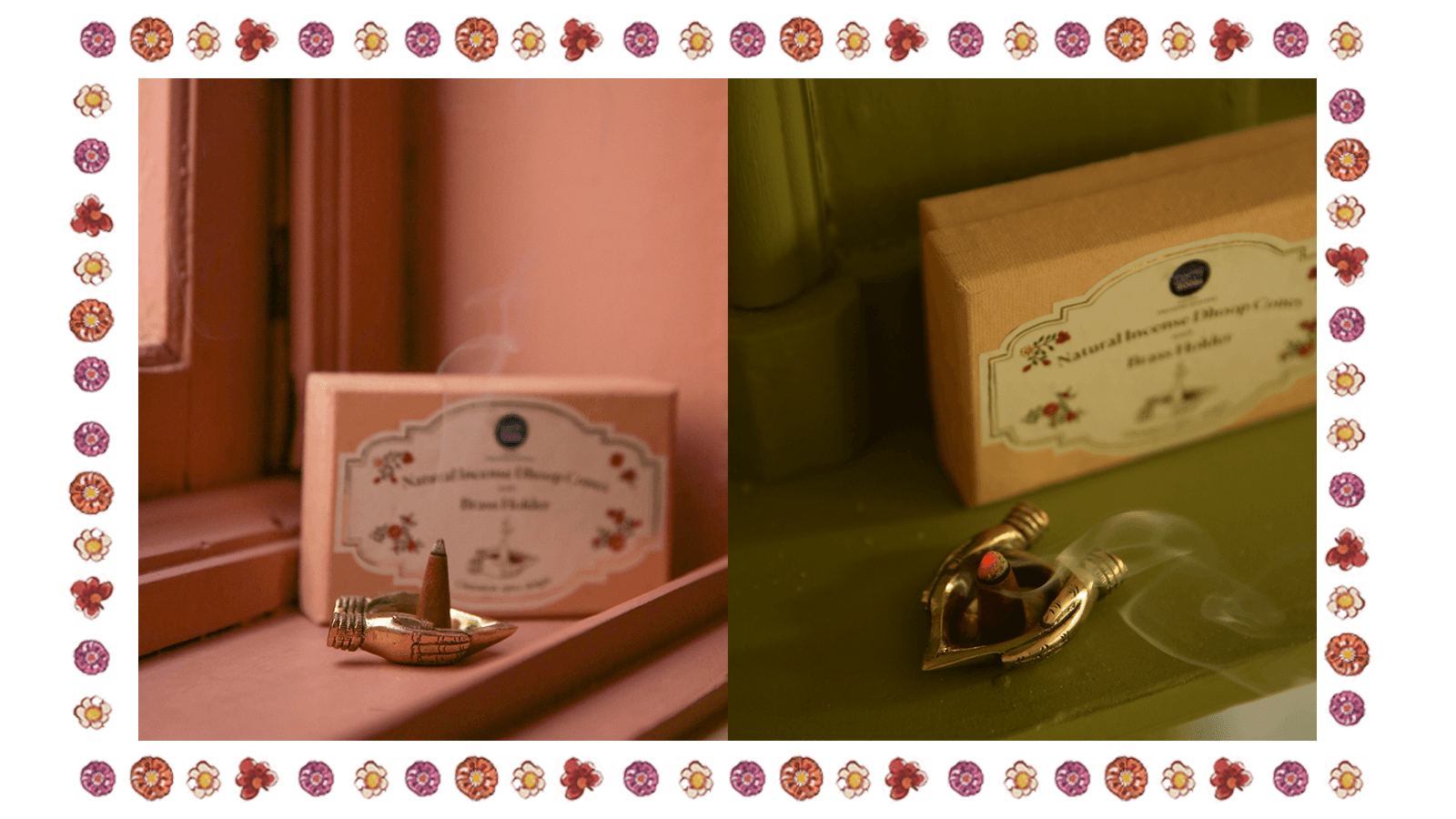
Each giftset combines a handmade brass incense holder crafted by Doing Goods artisans with incense cones made by the women artisans of Help Us Green. It’s one of those collaborations that instantly made sense to us: beautiful objects, handmade traditions, and a story worth passing on.
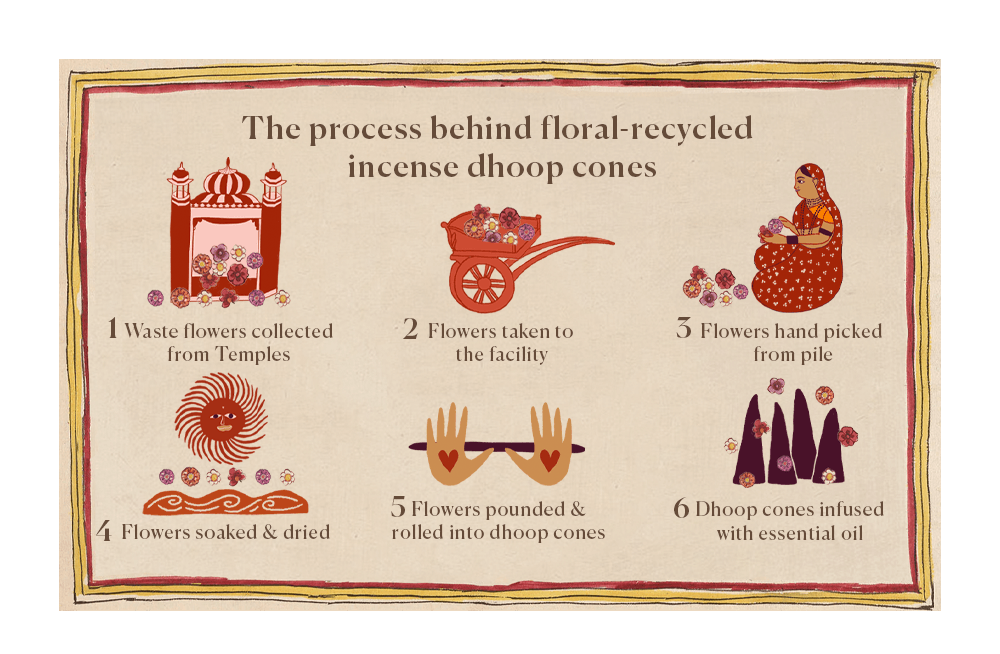
The incense is handmade by rural women artisans in India, creating steady income, independence, and safer working opportunities.
But beyond the strong story, the scent itself is what really sold us. It’s the kind of smell that quietly changes the mood in a room within seconds.
Right now, our incense cones come in cinnamon and mango. Cinnamon is warm, spicy, and a little energising. Mango is lighter and brighter. Fresh, sunny, easy.
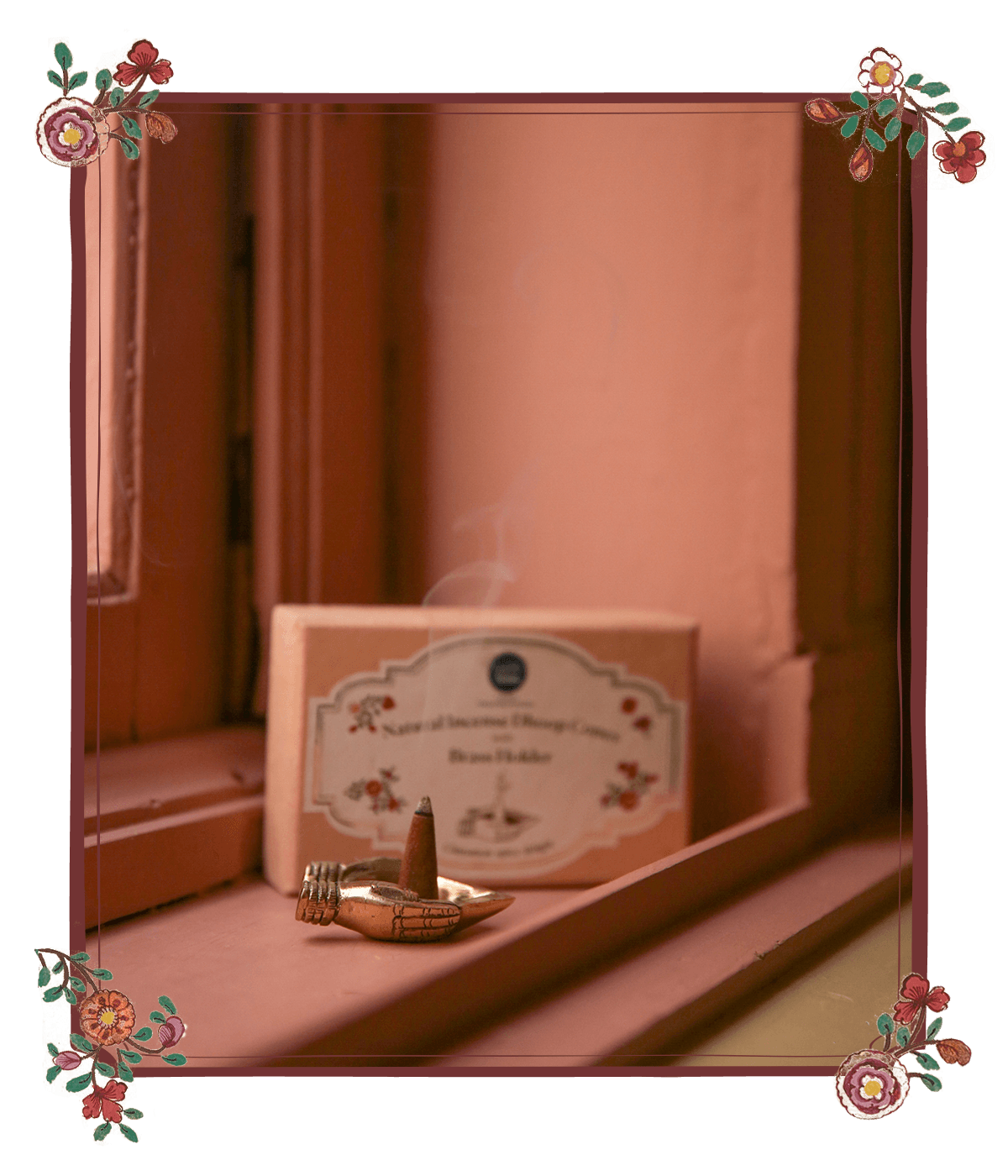
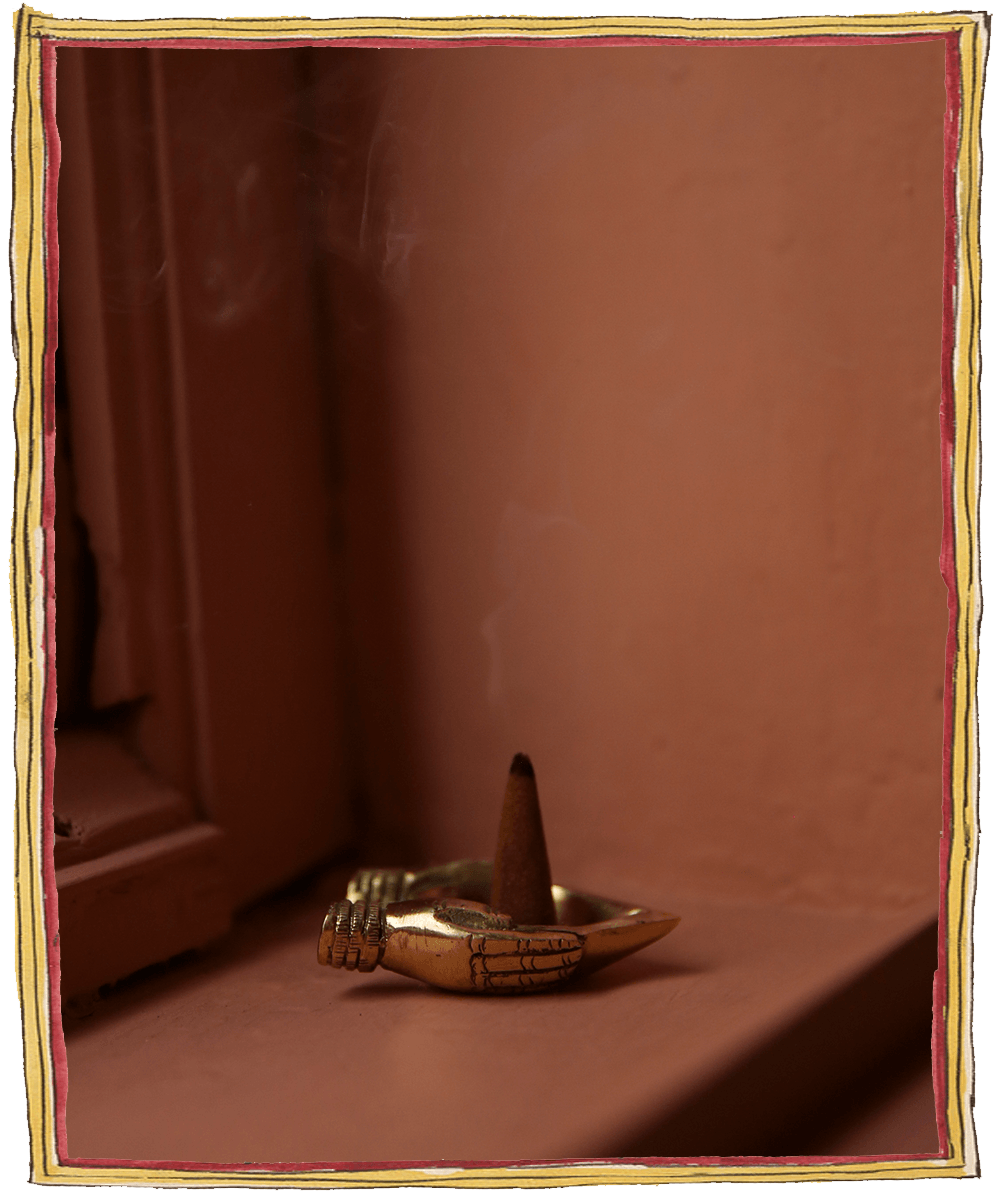
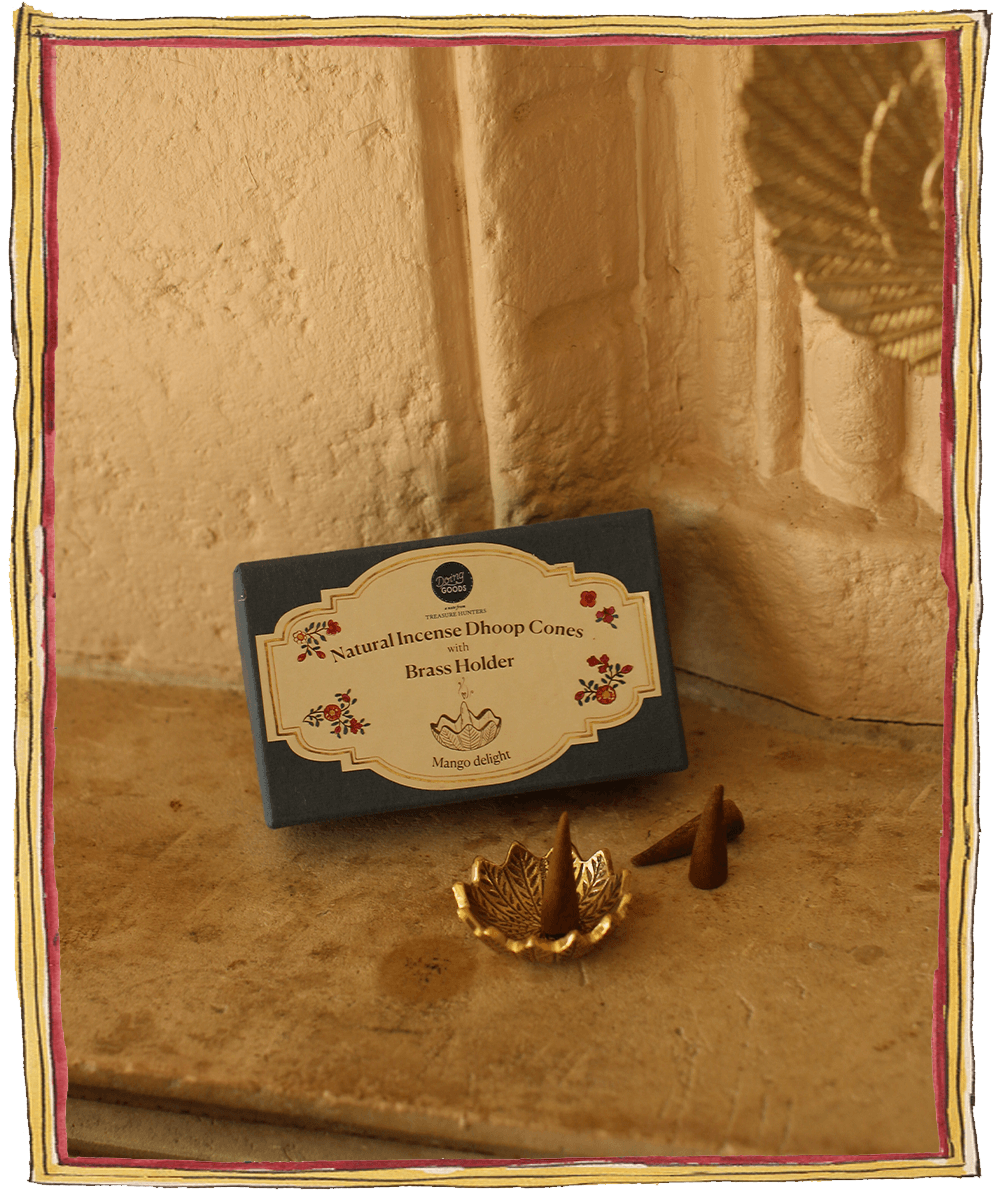
Incense has been used in India for over 5,000 years, in spiritual rituals, meditation, healing practices, and everyday life. Today, it still plays a role in small daily moments all over the world: slowing down after work, setting the mood at home, or starting the morning a little more peacefully.
Incense is lit for all the good reasons:
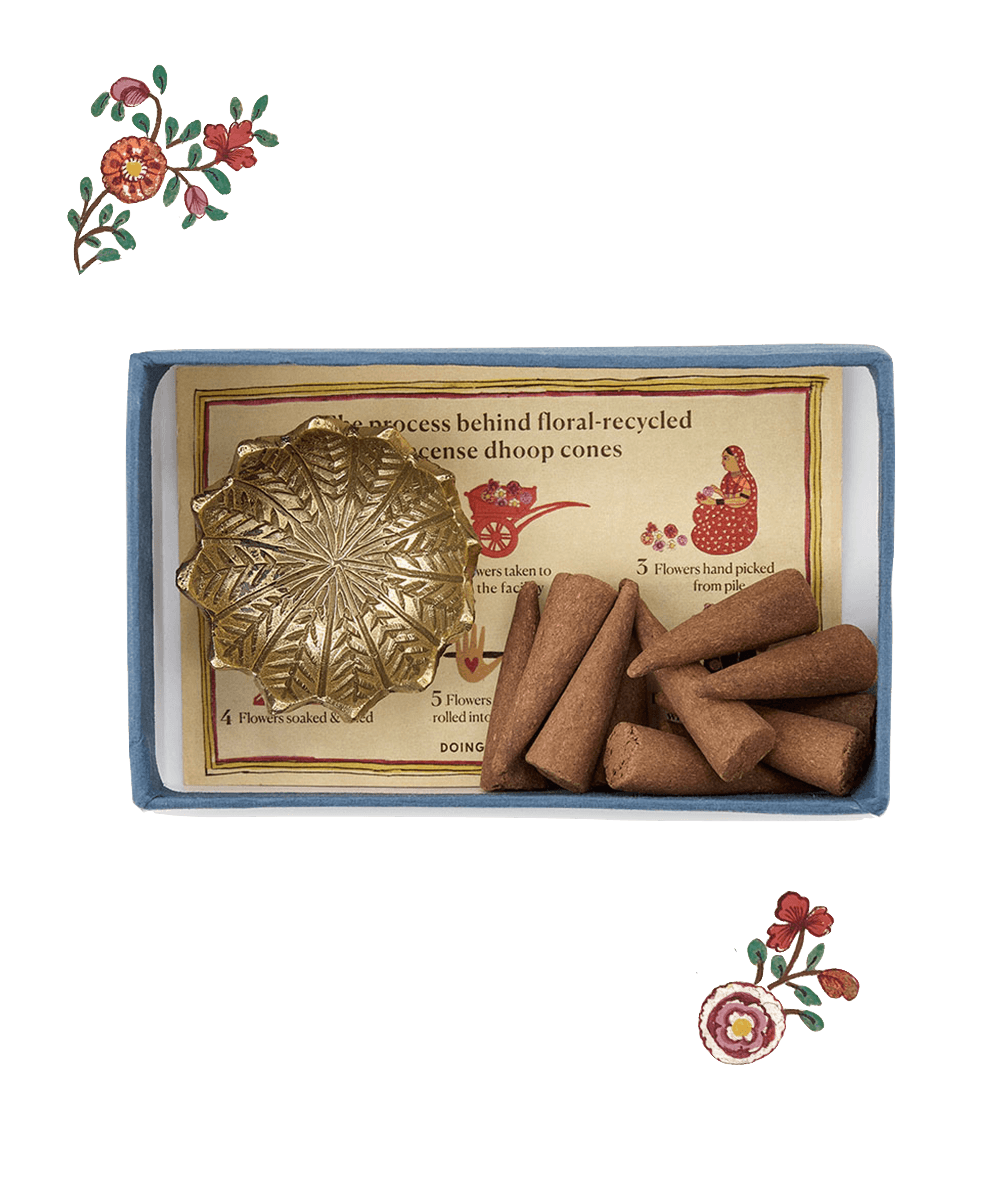
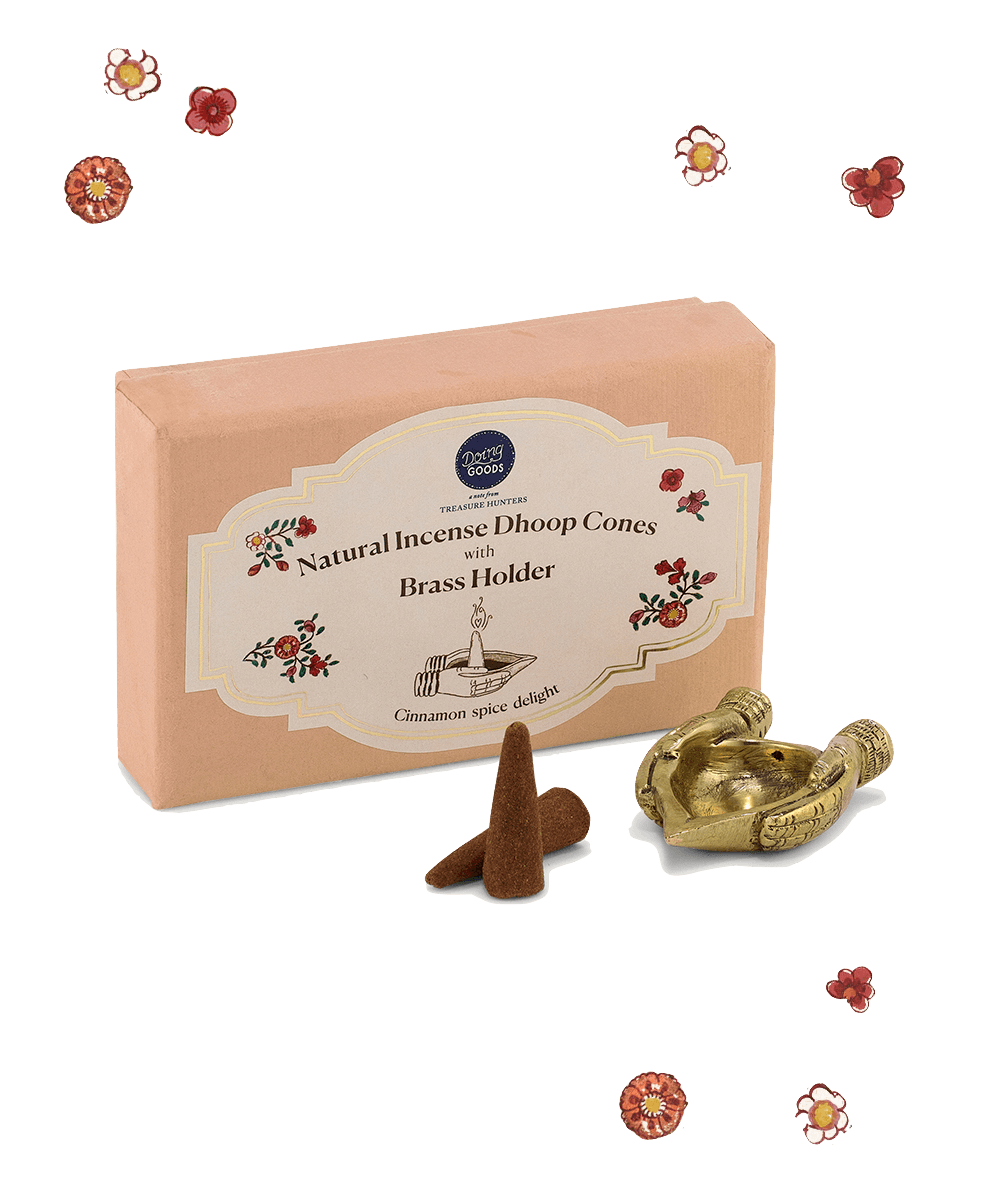
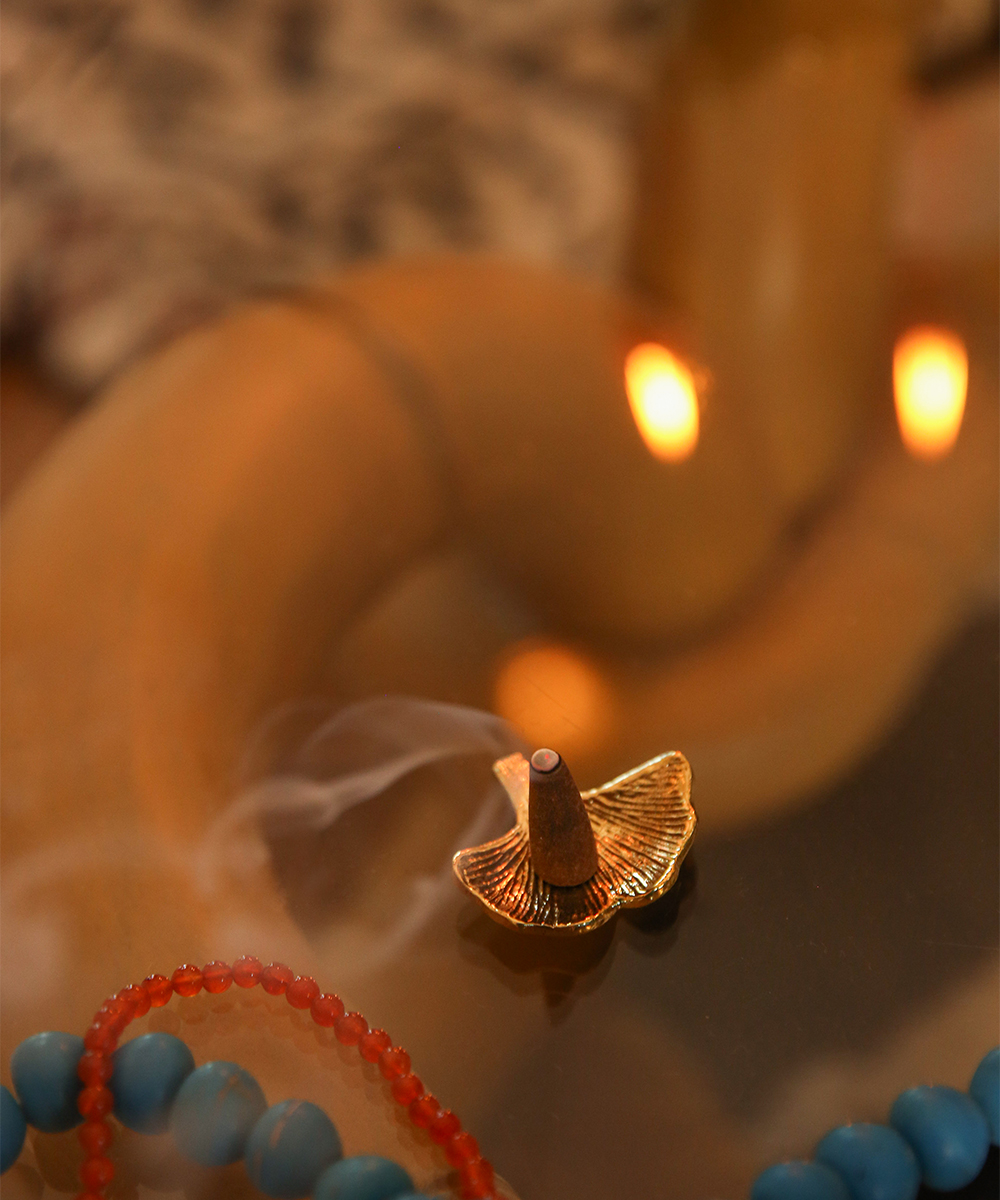
Using the incense is simple. Hold the tip of the cone in a flame for about 10–15 seconds until it starts glowing red. Blow out the flame gently and place the cone on your brass holder.
Then just let it do its thing. Not bad for a flower that almost ended up on the bottom of the Ganges river.

For the most relevant promotions and products catered for your region, switch to your local website.


